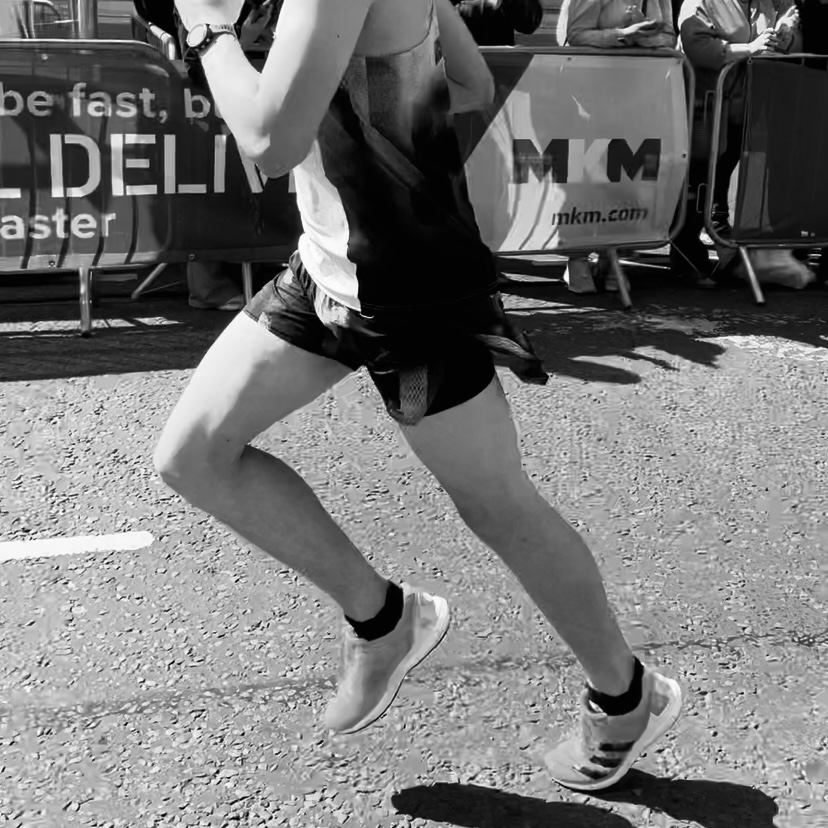
If you’re a runner doing strides or intervals you might feel your hamstrings being a bit sore or tight the day after. You might have also pulled a hamstring during one of these types of runs. It might even be extreme distance that you run that causes your hamstrings to flare up.
But why does your hamstring feel sore after an intense session? Why is it at much more likely you’ll pull your hamstring during an intense workout? And why do you need strong hamstrings to improve your soreness and reduce your risk of injury?
Why do your hamstrings feel sore or get injured?
Your hamstrings don’t do much in terms of pushing you forward on the run so you might be forgiven for wondering why they get so sore. The way your hamstrings get so worked is through your leg recovery. Once you’ve pushed off and driven your knee forward on your other leg (lead leg) you need to bring your lead leg to the ground quickly for the next stride. When you run faster your leg recovery is faster and goes through more range of motion.
Your hamstring controls your knee to stop it overextending. When you speed up your leg recovery, your knee/leg has to extend more quickly. This causes the hamstring to work harder to control your knee to stop overextending. This is all managed by doing what is called an eccentric contraction – it gets longer under tension.


Eccentric contractions are known to cause lots of muscle damage. The next time you do a bicep curl or a calf raise for example, emphasise how long you lower your weight towards the ground and notice what changes. You’ll probably feel more sore. It is the muscle damage created by eccentric contractions that causes the soreness. Your body reacts to the damage by making your muscles inflamed to protect and repair them, at the cost of feeling sore.
The muscle damage or accumulated muscle damage caused by an eccentric muscle contraction may sometimes be more than your muscle can handle. That’s what can cause a muscle tear, particularly when if you were to tear your hamstring when running fast. This is something you need to avoid – so what’s the best way to do that?
Why does hamstring strength reduce soreness and injury risk?
If you have stronger hamstrings then they will be able to tolerate more stress without being damaged. This means then that when a stronger muscle performs a certain eccentric contraction, it will be less damaged than would a weaker muscle.
A stronger hamstring is also capable of withstanding more accumulated damage. Also it is less likely to tear as well. The stronger something is, the less likely it is to break. However, to get the best impact you need better eccentric muscle strength (strength when the muscle is lengthening under load). This is because your hamstrings mainly contract eccentrically when running.
You should aim to build eccentric strength as well as concentric strength (strength when the muscle shortens) this will specifically improve your hamstrings ability to resist injury during running. As usual with running, the training has to be specific. Think how cycling doesn’t benefit your running as much as running itself does.
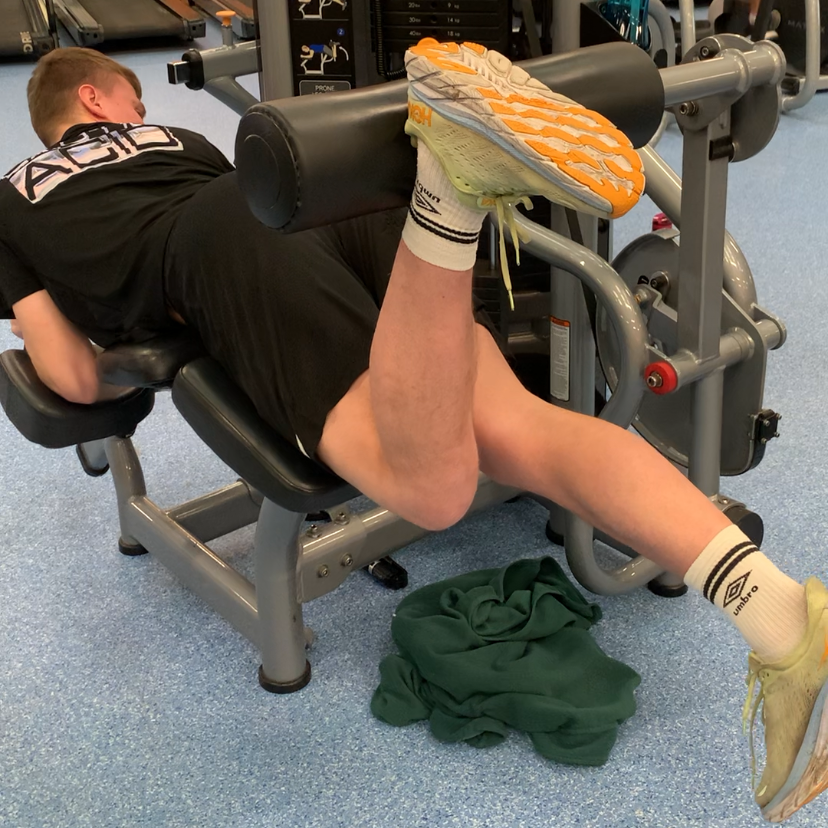
Which exercises can help strengthen hamstrings for running?
There are a few good hamstring exercises that are beneficial for running. Nordic hamstring curls are a great option for building eccentric strength in your hamstrings. They have also been shown to massively reduce hamstring injuries when sprinting. Because the eccentric contraction is massively overloaded in a nordic this makes them a great option. Make sure to fix your feet and control your bodweight down as much as possible.
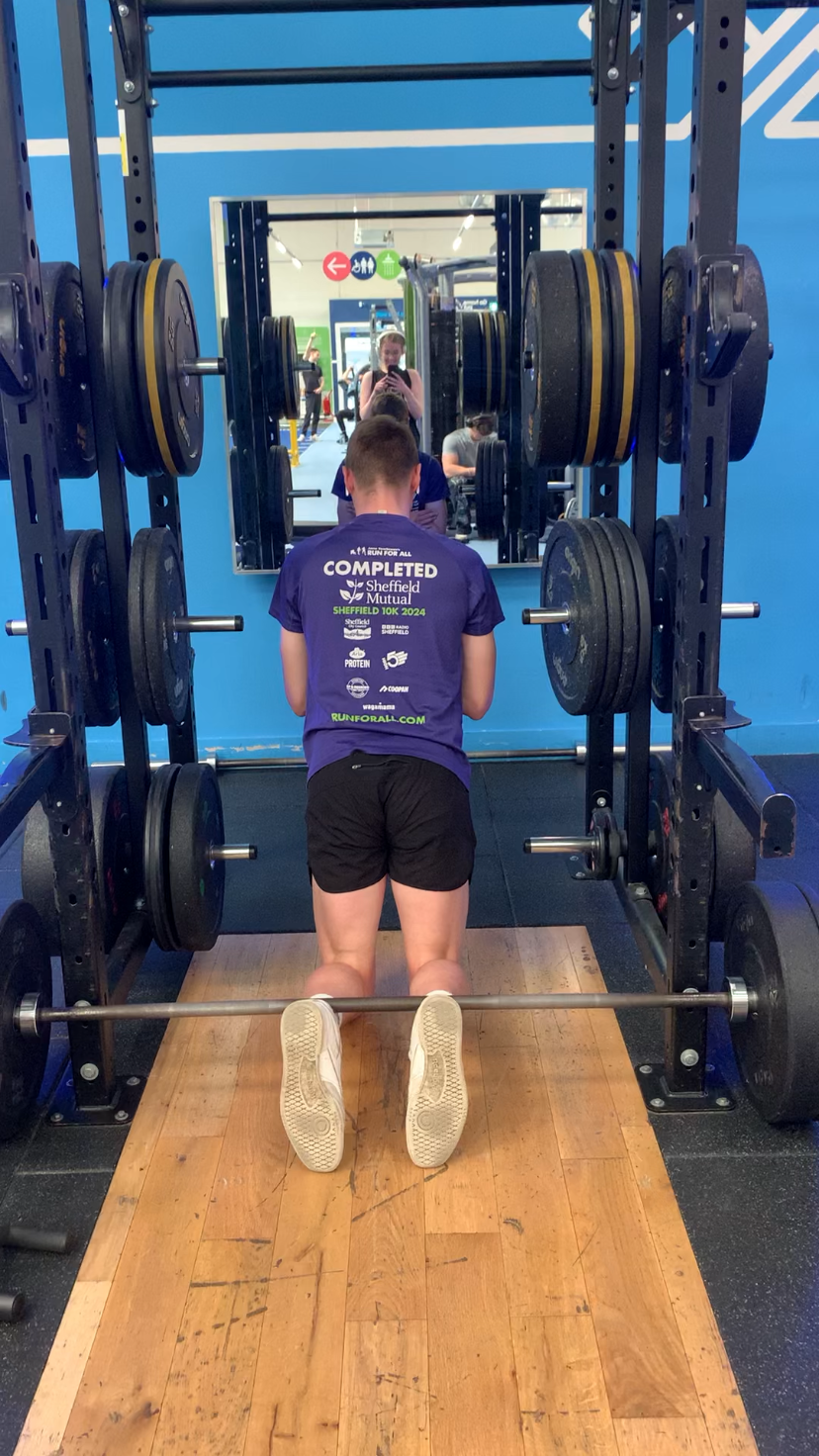
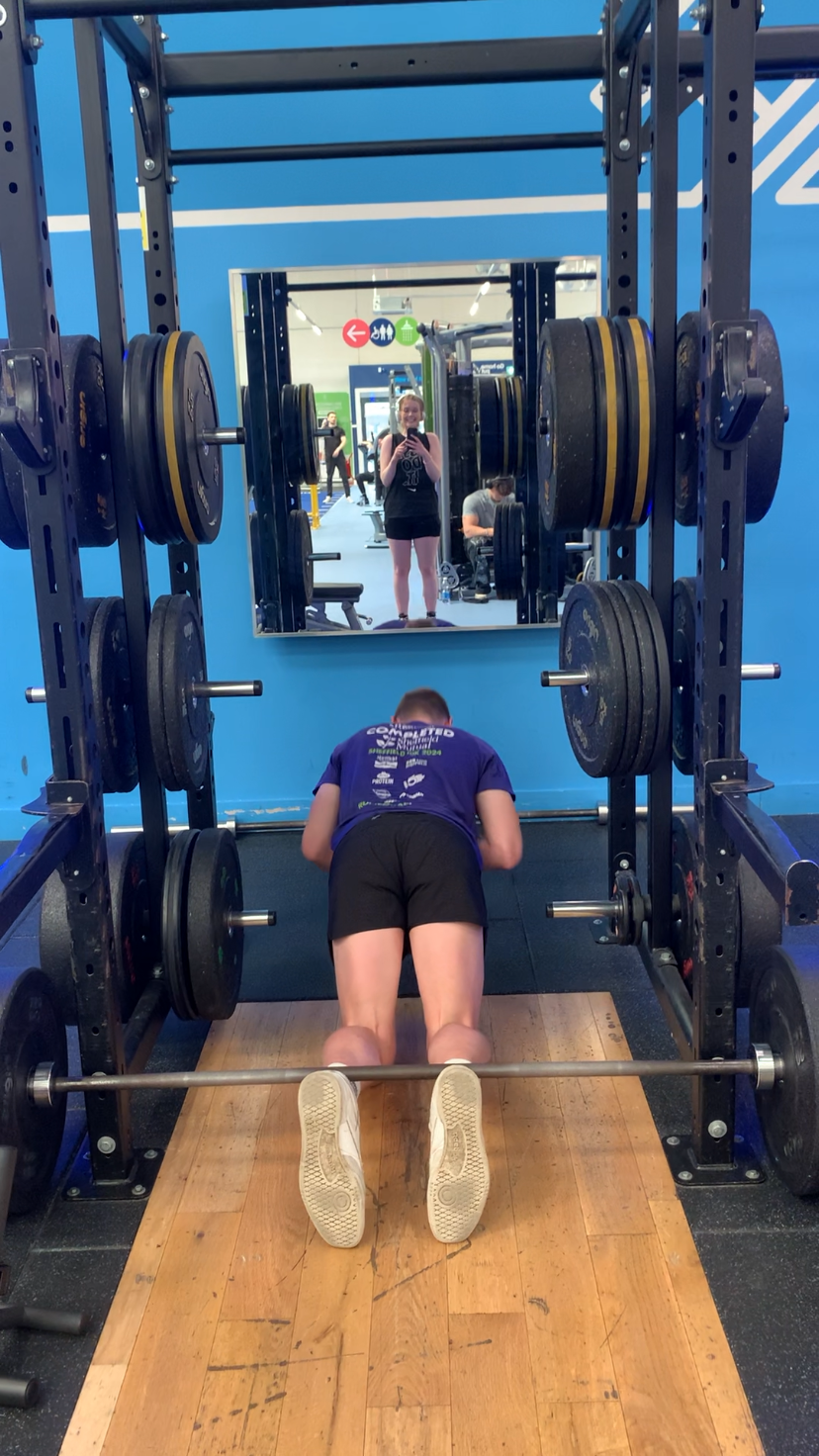
Our strength training programmes include many of these exercises so do have a look to help get your hamstrings bulletproofed.
Single leg hamstring bridges are another great option as they strengthen your hamstring in a position specific to where your hamstrings get injured during running. These should be weighted, if you can manage it, to get the most out of the exercise. You can do this on top of a foam roller for an added challenge – check out the video below
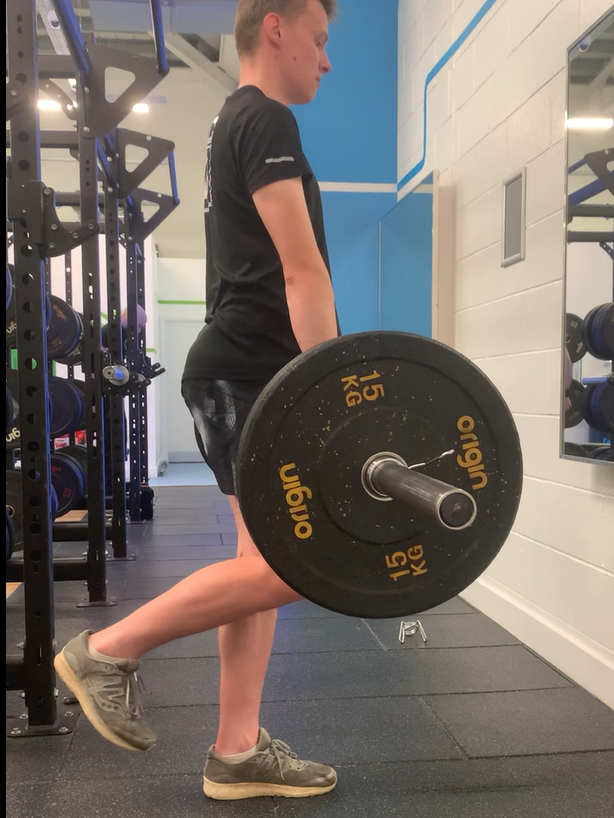
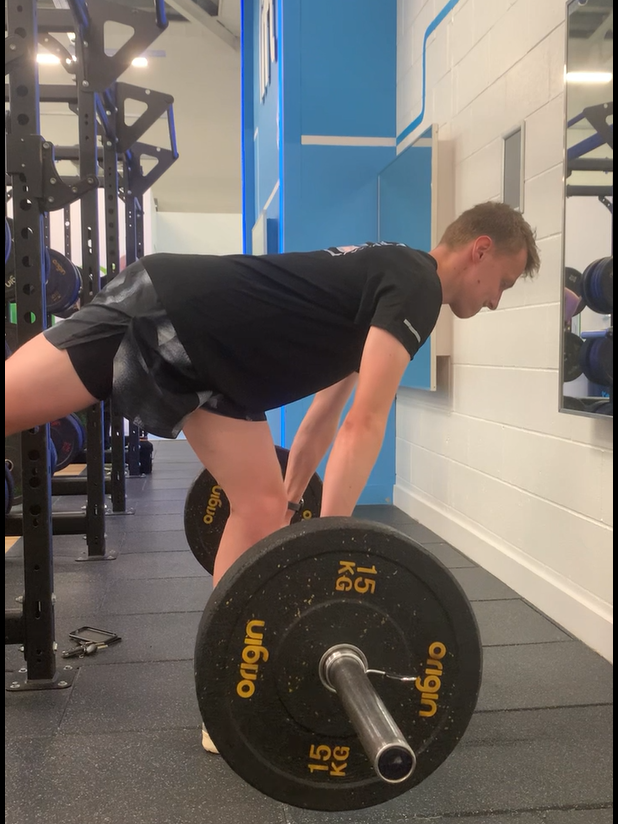
And a final option is some RDLs. You have two ends to your hamstring and the other two exercises focus a lot on the bottom end – rather than the top end. You should load these fairly heavy and focus on squeezing your hamstrings at the bottom to lift your weight back up. This will maximise your work through your hamstrings rather than your lower back.
Summary
Your hamstrings actually do get through a lot of work but not to push you forward. Rather when you recover your leg, your hamstrings get longer but have to control your knee to stop it overextending. This is an eccentric muscle contraction.
Eccentric muscle contractions cause more damage to your muscles than other muscle contractions. The muscle damage can cause your muscles to become flamed or sore and if accumulated too much can cause muscle tears.
Strengthening your hamstrings is a good way to prevent soreness and/or injury. Some good exercises to help prevent soreness and injury are nordics, hamstring bridges and RDLs. These are all really good for developing your concentric and eccentric hamstrings strength across the whole muscle in combination with each other.
Start training your hamstrings now to help get you that 1% better in your running.
Leave a Reply